Our Craft Beer in Siem Reap Supports a Local Mission
Learn why we partnered with Water for Cambodia
Hello, craft beer lovers!
It’s been a while since our last update, and for that, we apologize. The silence wasn’t due to a lack of news; on the contrary, it’s the deafening sound of hard work that has kept us from the keyboard. Many of you have been asking when we’ll open the taproom, even just for breakfast. The truth is, we are finalizing the installation of the brewing system, the beating heart of our project, and we want everything to be perfect before we welcome you.
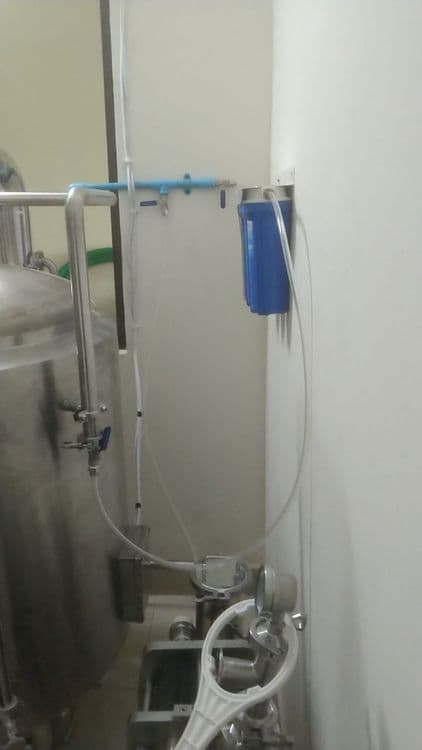
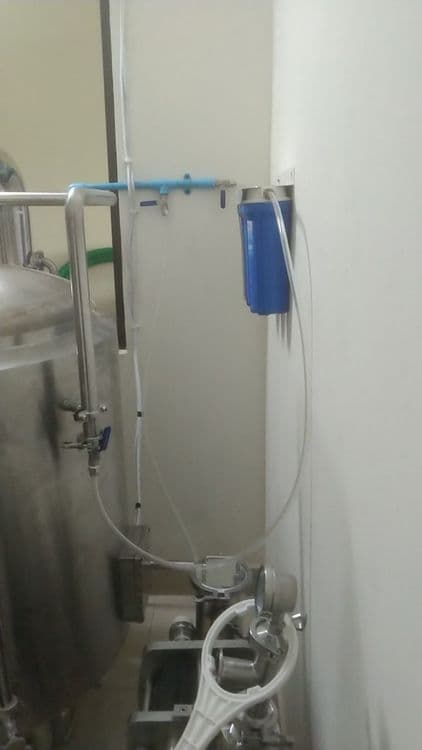
In this crucial phase, between fitting pipes and pulling electrical cables, we’ve dedicated ourselves to a fundamental aspect, one that is often underestimated but constitutes the very soul of every beer: water. Just this week, we collected samples directly from the water main that serves our brewery here in Siem Reap, right in the building that houses us. One sample was taken upstream of our reverse osmosis filtration system and one downstream. These samples aren’t going to just any lab; they will be delivered to Water for Cambodia (WFC), a local project and organization that we deeply admire.


For those who don't know them, Water for Cambodia is an extraordinary organization. Born in 2002 out of the urgent need to provide clean drinking water to sick children at the Angkor Children’s Hospital, it has evolved into a sophisticated regional laboratory. Beyond carrying out its foundational mission—installing filters, latrines, and wells according to the global WASH (Water, Sanitation, and Hygiene) approach—WFC offers its analysis services commercially. For us, choosing them wasn't just a technical decision. It means entrusting ourselves to top-tier professionals while, at the same time, supporting an organization that reinvests its profits to ensure health and clean water for rural Cambodian communities. It's our way of becoming part of the fabric of this wonderful country from day one. Our meticulousness, therefore, isn't just for the beer; it's a choice made with heart and responsibility.
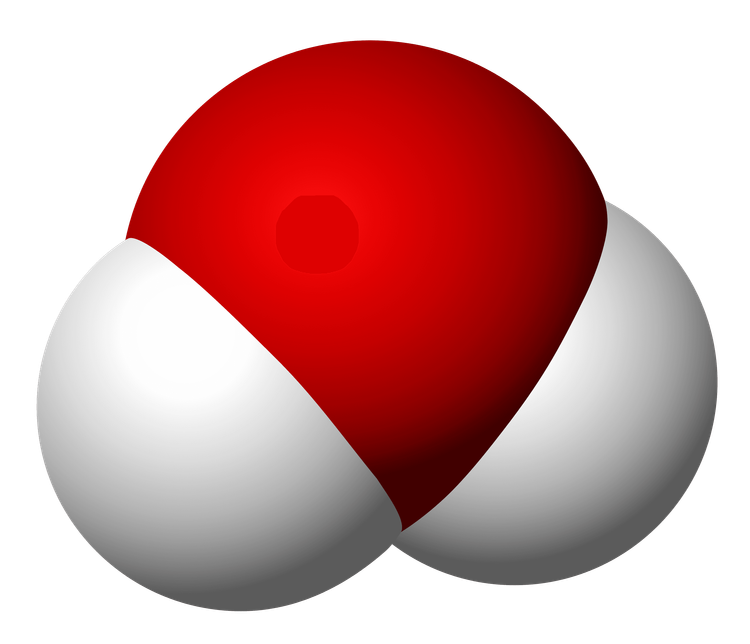
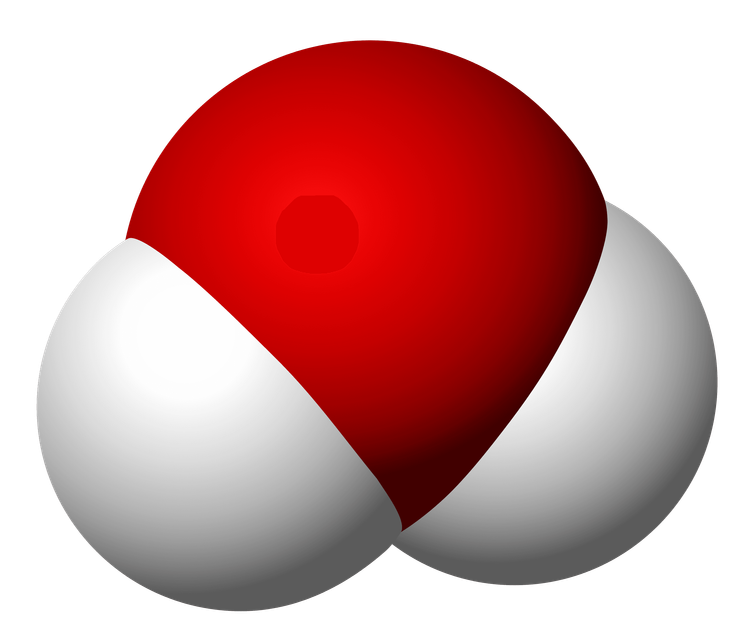
Water Isn't Just H₂O: The Salts of Passion
When we talk about water for beer, we're not just talking about a colorless, tasteless liquid. We're talking about a complex balance of dissolved mineral salts, each with a specific role in influencing the final product. The main players in this chemical drama are:
- Calcium: Essential for enzyme activity during mashing and for yeast flocculation at the end of fermentation. It contributes to a fuller, rounder flavor.
- Sulphates: They enhance the perception of hop bitterness, providing a drier, crisper finish. Water rich in sulfates is ideal for IPAs.
- Chlorides: They accentuate the malt's sweetness, giving body and roundness to the beer. Perfect for styles like Stouts and Porters.
- Bicarbonates: They are the main contributors to "temporary hardness" and have a buffering effect on the mash's pH. High content is ideal for dark beers but must be controlled for light-colored beers.
"Designing" the water, then, means starting from a neutral base (our reverse osmosis water) and skillfully adding specific mineral salts to create the perfect profile for the beer style we want to produce. A Pilsner will require very "soft" water with few minerals, while an American IPA will benefit from an addition of sulfates to make the hop aromas explode.
"Water is life, and clean water means health"
( British actress, 4 May 1929 – 20 January 1993 )


Twelve Hours of Water and a Formative "Clash"
Let me tell you a story. Last year, during my brewing course, my teacher, the great Roberto Favaretto, dedicated twelve consecutive hours to water. Twelve. Hours. I can still see the whiteboard full of chemical formulas, pH charts, and hardness calculations. At a certain point, I'll admit, I couldn't take it anymore. We even got into a heated "clash" while discussing the pH drop after adding malts and the buffering effect of bicarbonates. It seemed like an exaggeration, a waste of time.
Today, with my hands in the mash (or rather, in the water), I realize how precious those hours were. I will probably never use all the formulas I learned by heart, but the fundamental concept was burned into my mind: water is the main ingredient in beer, making up over 90% of it. Starting with "good" and suitable water means you're already halfway there.
History in a Glass: Waters That Made the Beer
The history of beer is intrinsically linked to the geography and chemistry of local water sources. It's no coincidence that certain styles were born and perfected in specific cities:
-
Burton-upon-Trent, England: Its water, extremely rich in calcium sulfate, proved perfect for producing the dry and bitter Pale Ales that made the city famous worldwide.
-
Pilsen, Czech Republic: The incredibly "soft" water with very low mineral content is the secret ingredient that allowed for the birth of Pilsners, delicate beers with a very clean profile.
-
Dublin, Ireland: Water with a high concentration of bicarbonates made this city the home of Stouts, where the high alkalinity perfectly balances the acidity of the roasted malts.
-
Goslar, Germany: The city that gives the Gose style its name, characterized by naturally saline water from the nearby mines.
Next Steps and Updates
The results from our water analysis should be ready next week, and we can't wait to share them with you. In the meantime, the electricians are finishing up the electrical system. A crucial step awaits us on the 20th of this month: the upgrade of our power supply. We need a lot of amps to run our brewery at full capacity, and we're crossing our fingers that this will be the last major hurdle before we can finally fire up the kettle and begin our first, official brew day.
As soon as we have a moment to breathe, we plan to dedicate an episode of our "Amara Beer Lab Educational" series to water, to dive deeper into this fascinating topic with you all.
Thank you again for your patience and support. The finish line is near!